Cinematic Morphing
- Project
- Personal project
- Role
- Art direction, Transformation control, and Post-production
Technologies used
- AI generation
- Google Veo 3.1 · Kling 2.6 · Kling o1 · Nano Banana Pro
Summary
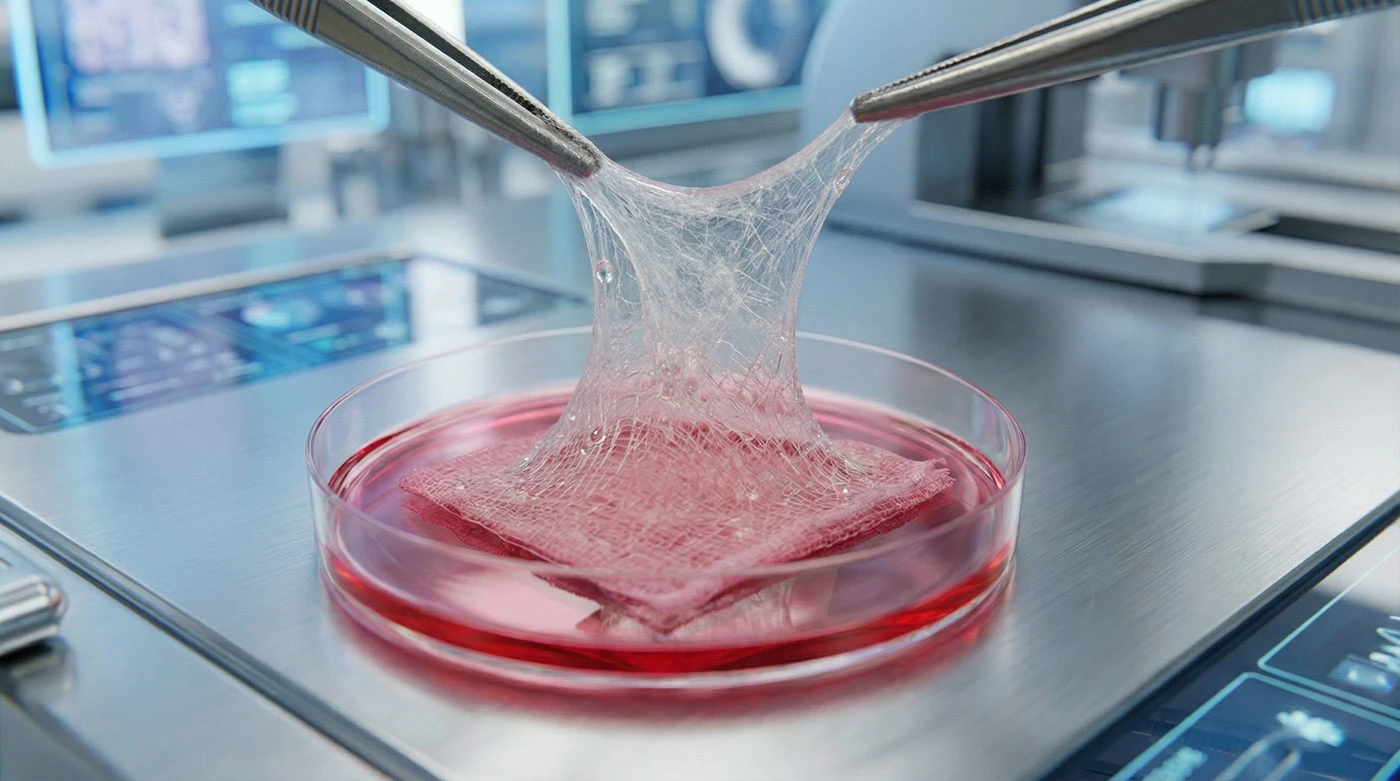
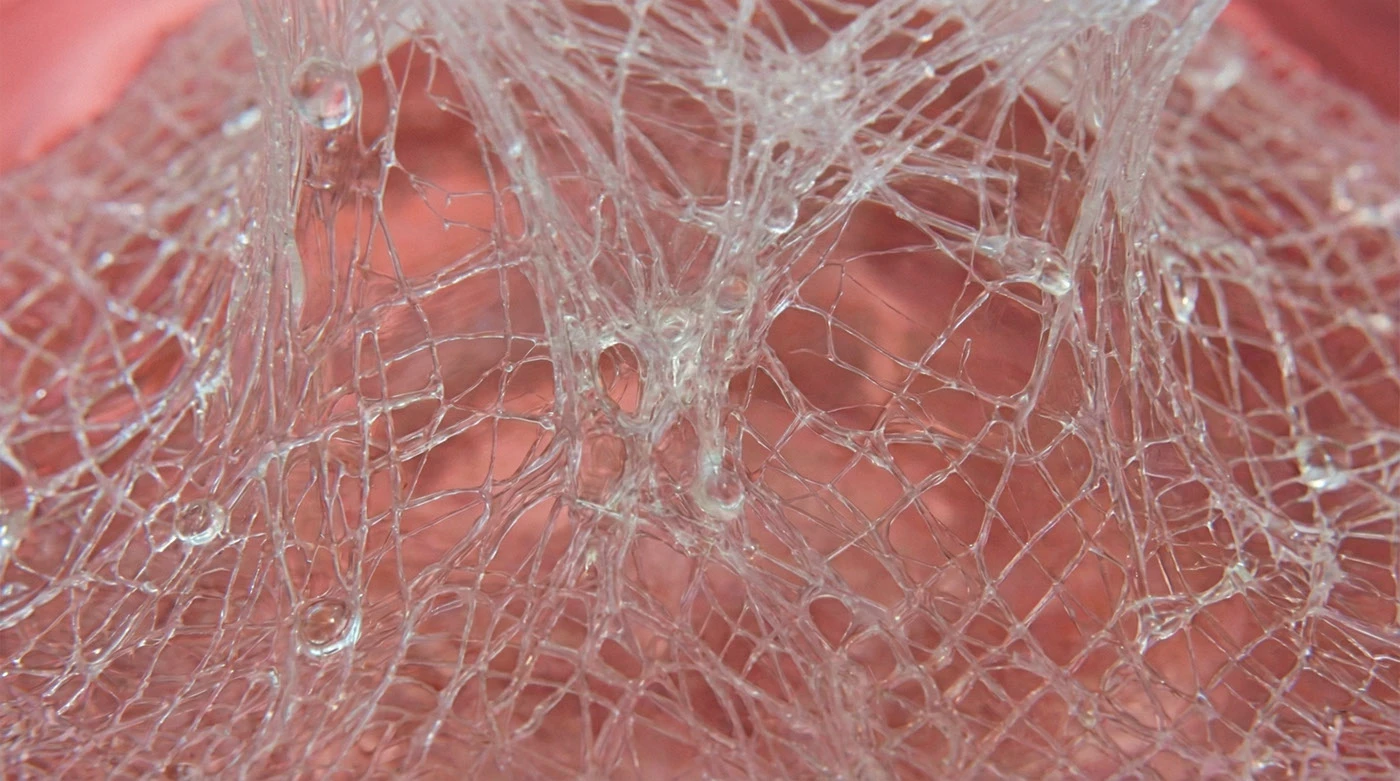
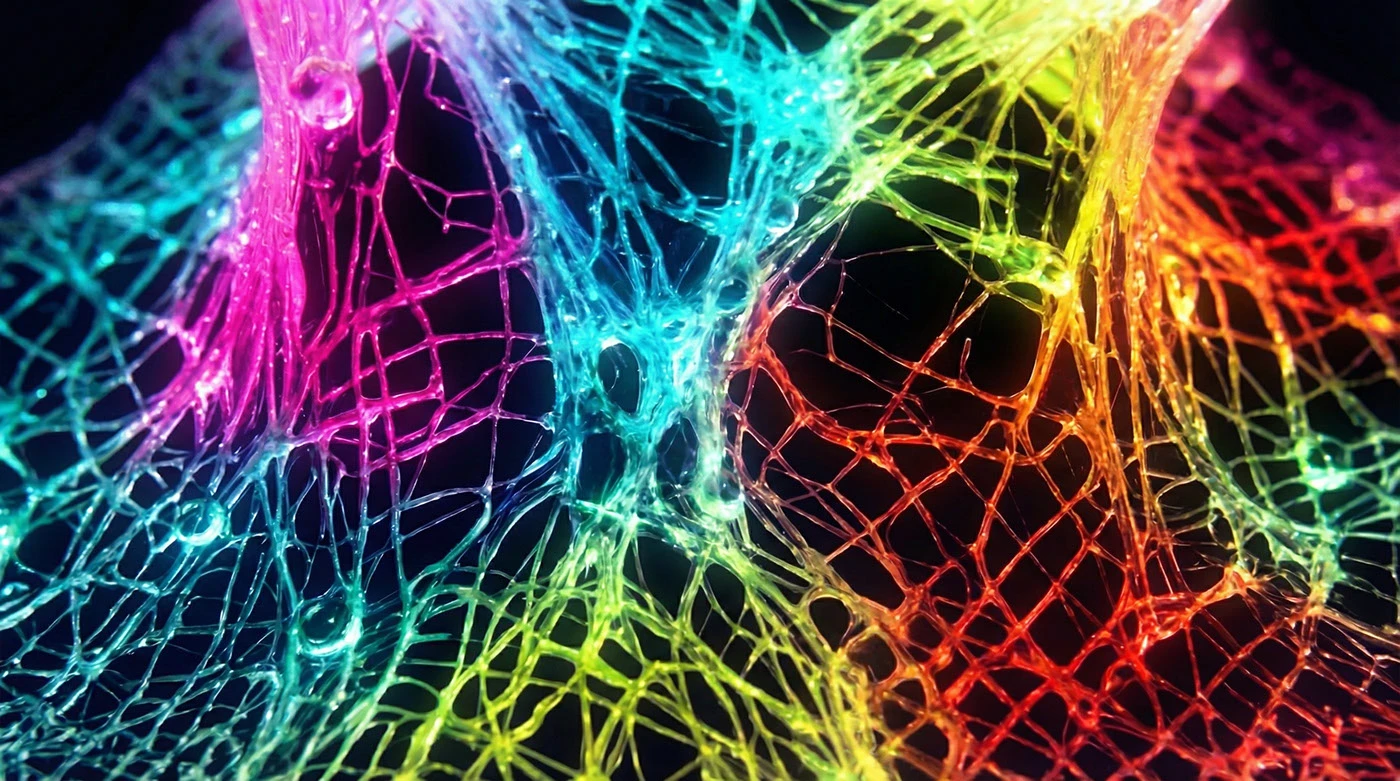
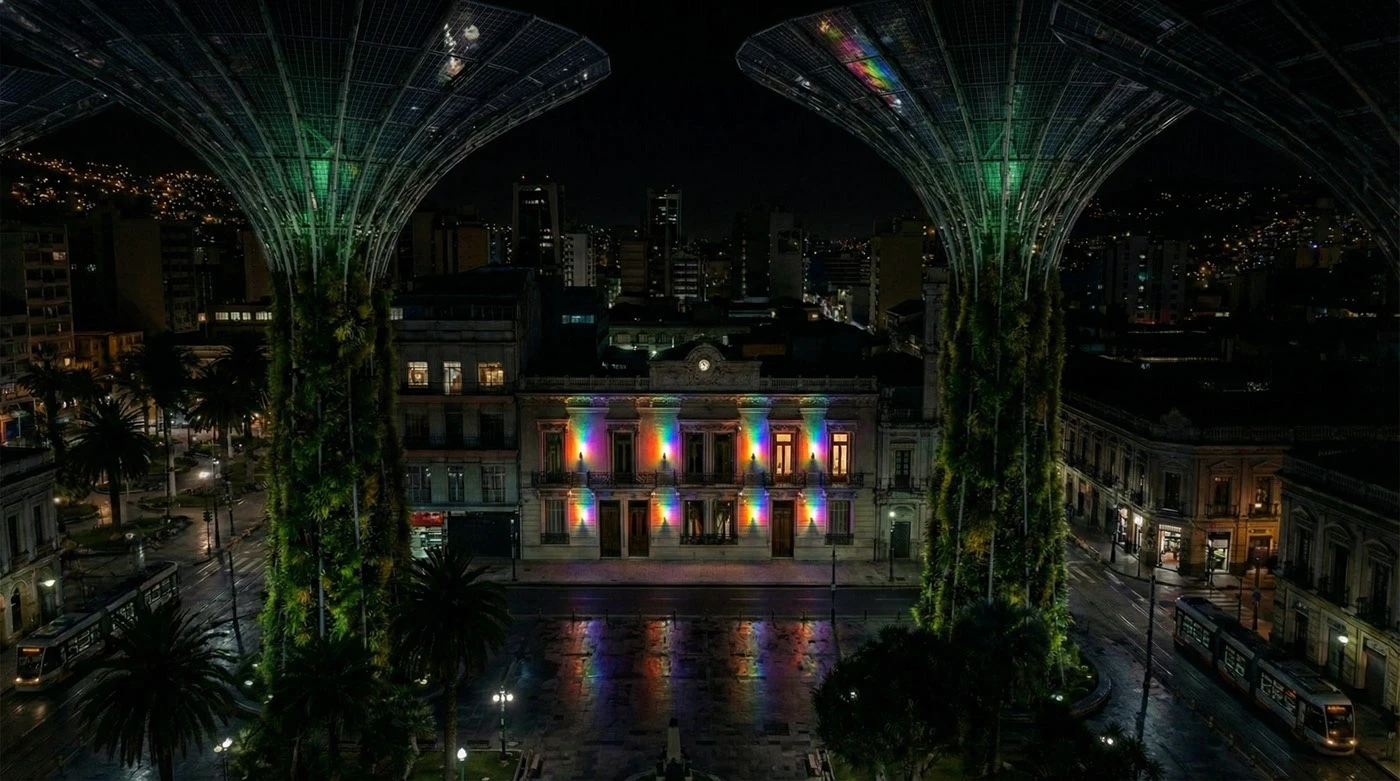
Cinematic morphing study exploring continuous transformation between two visual states while preserving structural integrity. The experiment compares model fluidity, aesthetic fidelity, and efficiency, and examines identity drift at the most intense points of transformation.
Process
A visual transformation study comparing fluidity, fidelity, and consistency across generative video models.
-
Defining the transformation
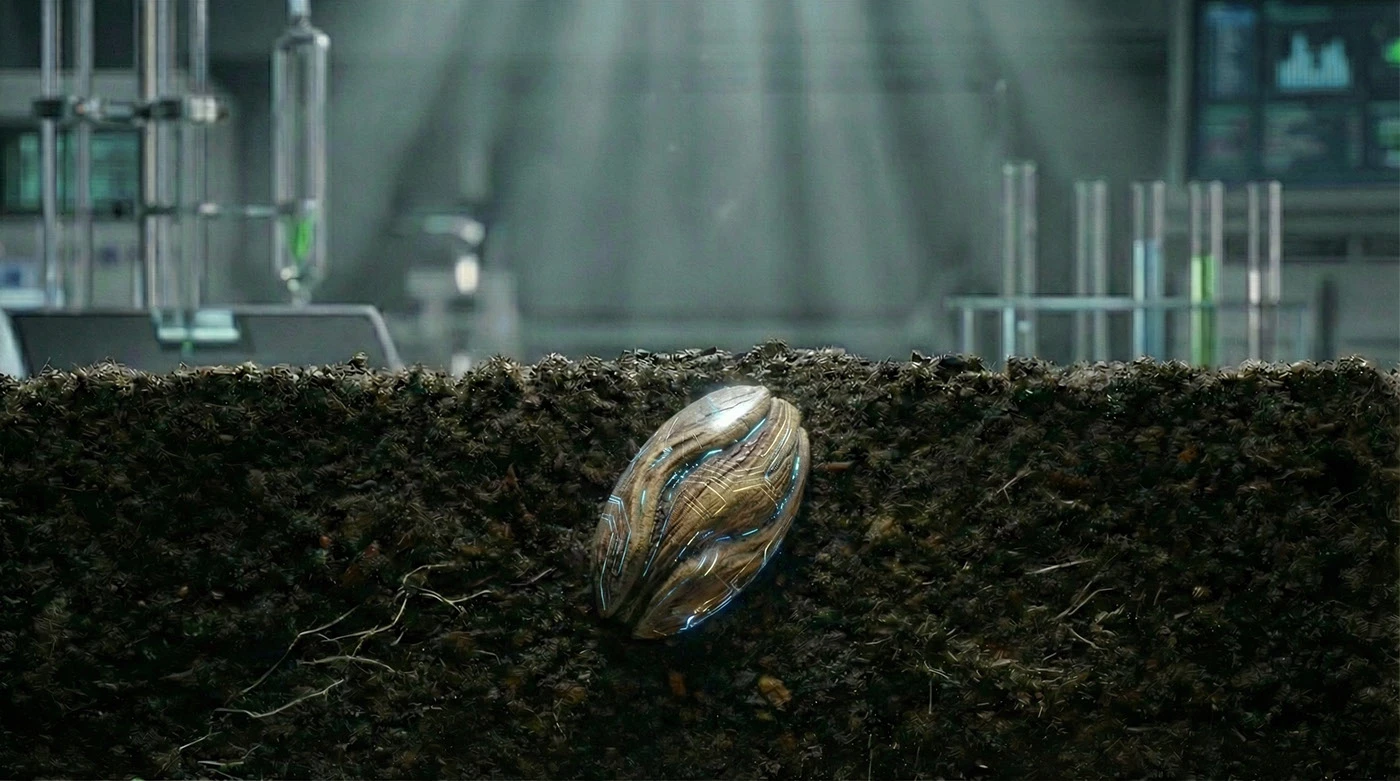
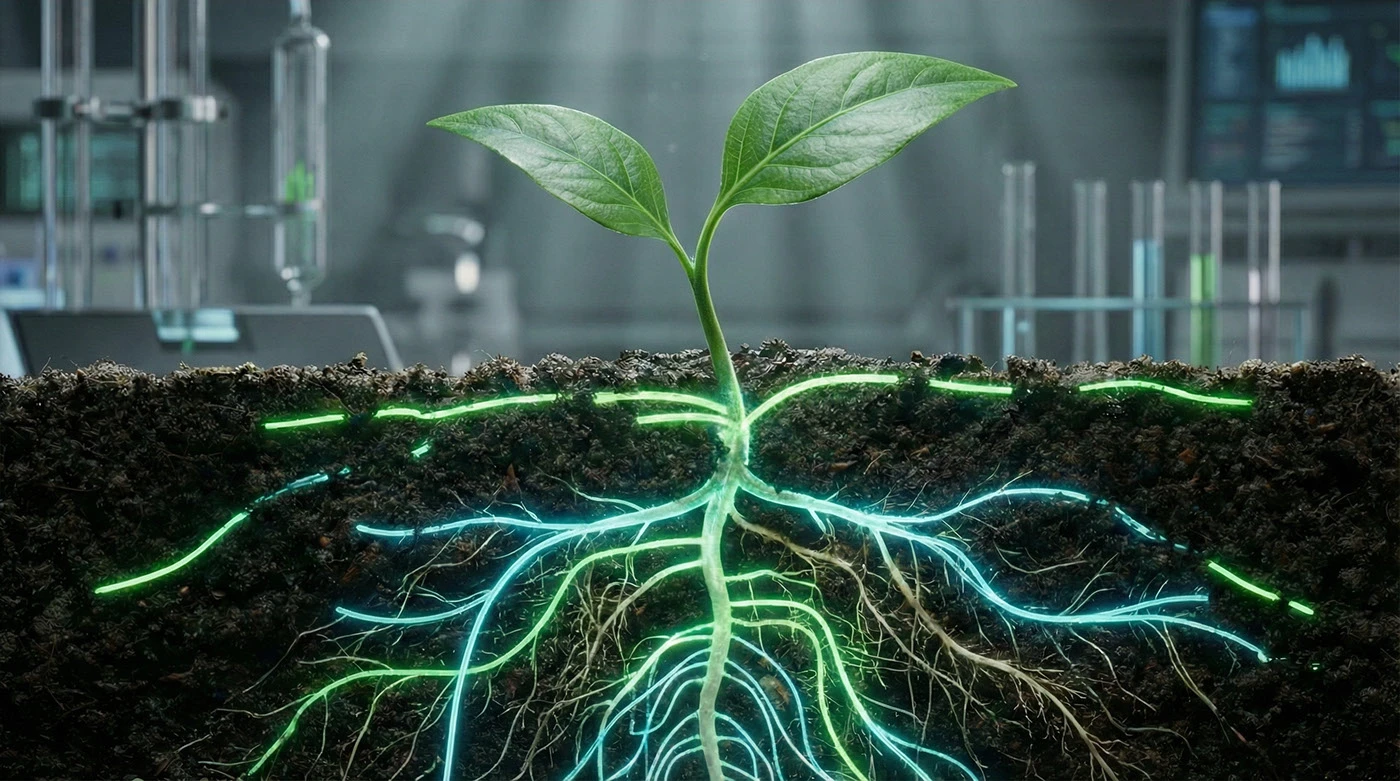
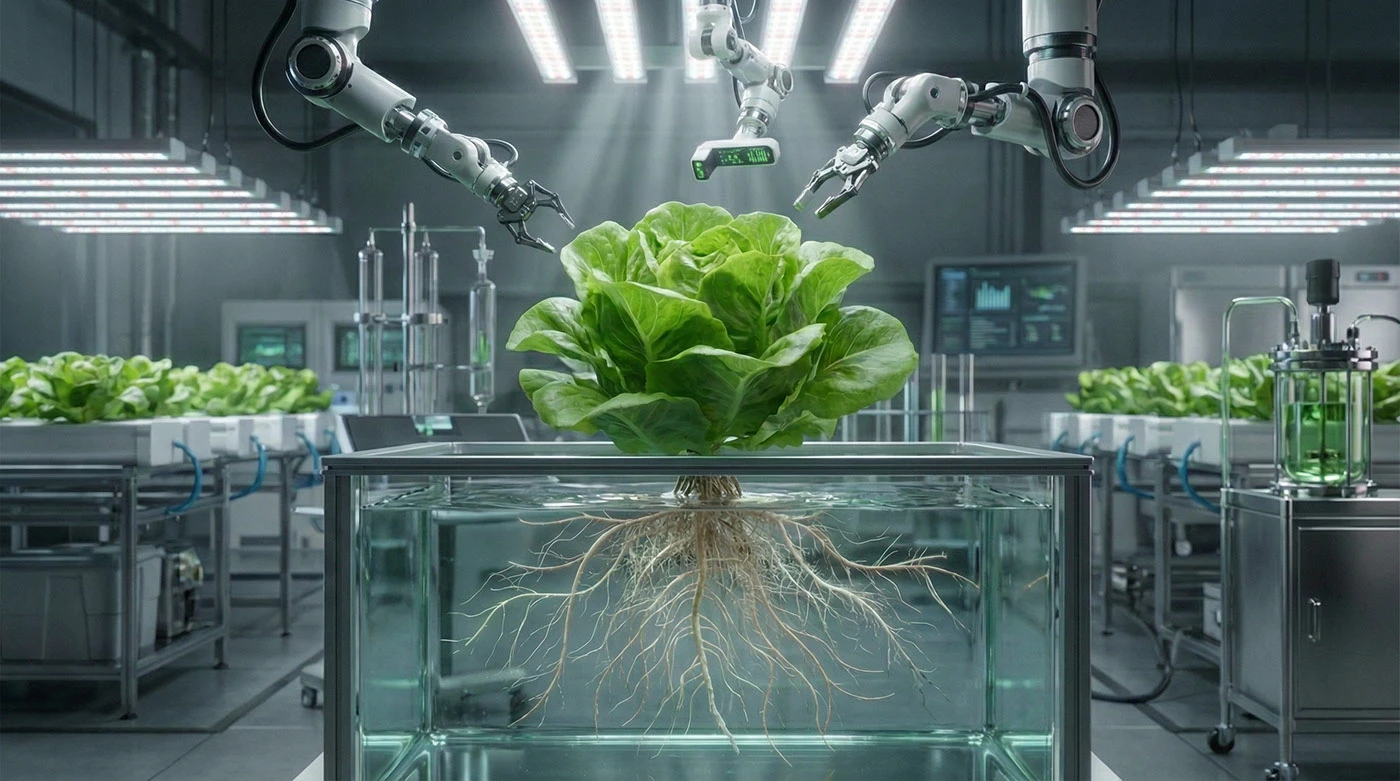
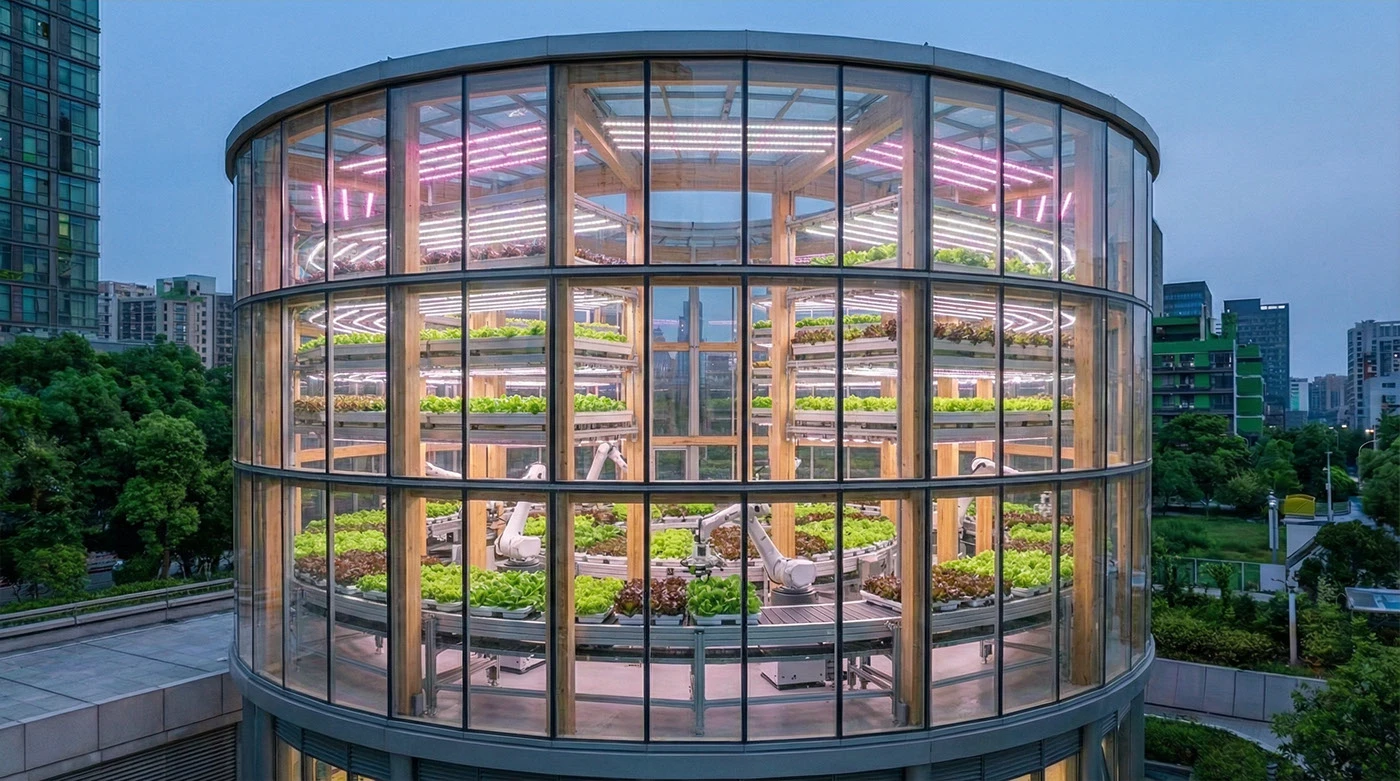
I built the experiment around a continuous transition between two visual states. The challenge was to transform the image without losing structural integrity: observing how each engine handled element elasticity and transformation logic, as well as the appearance of the sequence's endpoints.
-
Motion and fidelity tests
I used Kling 2.6 as the main engine for iterations because of its cost-to-performance ratio and transformation stability. Veo 3.1 supplied keyframes with greater cinematic fidelity. The comparison evaluated both transition fluidity and the aesthetic quality of the starting and ending states.
-
Consistency analysis and post-production
I reviewed identity drift at the most intense points of transformation. Those deviations were documented as limitations of the models available at that stage. The analysis informed stricter control methods and more efficient workflows in later projects.
Process images11 images